Where to Watch Portugal vs Croatia in Lisbon: Outdoor Screens and Sports Bars

If you are in Lisbon tonight as Portugal takes on Croatia in the FIFA World Cup Round of 32, you are in one of the best cities in Europe to experience international football. Whenever the Portuguese national team plays, the atmosphere changes completely. Restaurants fill up, sports bars become packed, and thousands of supporters gather to cheer together.

Whether you want to watch the match on a giant outdoor screen with thousands of fans or enjoy the game in a comfortable sports bar with food and drinks, Lisbon offers plenty of excellent options. The biggest challenge is not finding somewhere to watch—it is arriving early enough to get a good spot.

Watch Portugal vs Croatia at Lisbon’s official fan zone

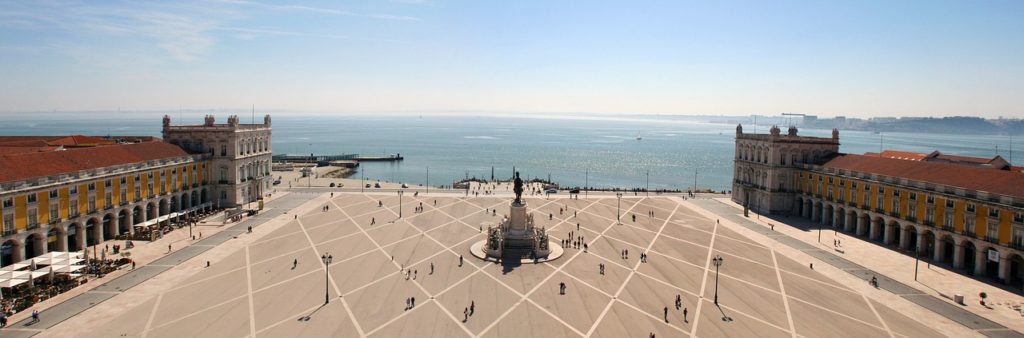
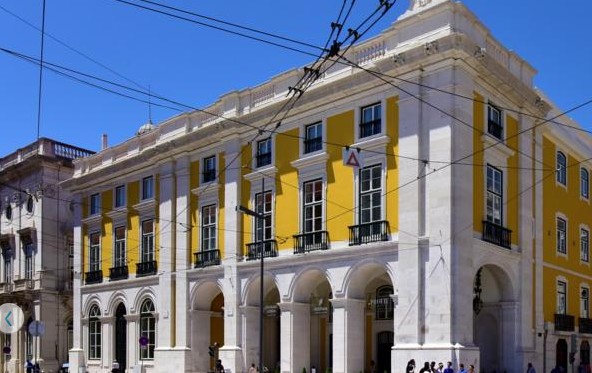
The number one place to watch tonight’s match is the Lisboa Football Arena at Praça do Comércio (Terreiro do Paço).

This is Lisbon’s official FIFA World Cup fan zone, operating throughout the tournament from June 11 until July 19. Giant high-definition screens show the biggest matches every day, while food stalls, beer gardens and entertainment create an atmosphere that feels almost like being inside the stadium itself.

Entry is completely free, but admission is on a first-come, first-served basis. Security checks are carried out at the entrances, and on Portugal match days the venue can reach capacity well before kick-off.

If this is where you want to watch Portugal vs Croatia, arriving at least 90 minutes before kick-off is a very good idea.

Expect:

  • Giant outdoor screens
  • Thousands of Portuguese supporters
  • Food trucks and drinks
  • Live entertainment
  • Airport-style security checks
  • Standing room more than seating

Other outdoor places showing the match

While the Lisboa Football Arena is the city’s main fan zone, several other venues are also broadcasting tonight’s match outdoors.

Hyatt Regency Lisboa

The Hyatt Regency has transformed its riverside outdoor area into a World Cup fan zone overlooking the Tagus River. There are large screens, food, drinks, themed burgers and special promotions whenever Portugal scores. It offers a slightly more relaxed atmosphere than Terreiro do Paço while still attracting plenty of football supporters.

Irish&Co (Parque das Nações)

One of Lisbon’s best-known sports pubs also has a large outdoor terrace equipped with multiple screens. If you enjoy watching football with a pint in your hand, this is one of the safest bets.

Tráfico Restaurant

Located at Doca de Santo Amaro beneath the 25 de Abril Bridge, Tráfico shows World Cup matches both indoors and on its riverside terrace. The location is particularly popular on warm summer evenings.

Browers Beato

Craft beer lovers may prefer Browers Beato, where matches are shown on a giant screen inside a lively brewery atmosphere.

Best sports bars for Portugal vs Croatia

If you prefer guaranteed television coverage, comfortable seating and table service, a sports bar is usually the better option.

The Couch Sports Bar

Located in Cais do Sodré, The Couch Sports Bar is probably Lisbon’s best-known venue for live sport. Dozens of televisions ensure you rarely have a bad view of the action, and major international football matches always attract a lively crowd.

Because Portugal is playing tonight, expect it to fill up quickly. Arriving at least one hour before kick-off is recommended.

Real Sports Bar

Situated in Avenidas Novas, Real Sports Bar offers a quieter experience than many Irish pubs while still focusing heavily on live sport. It is a good choice if you want quality food together with the match.

The George Pub

Near Praça Luís de Camões, The George Pub has long been a favourite among both locals and visitors for watching international football. Seating is limited, so arriving early is essential.

Getting around after the match

If you are watching the game at Praça do Comércio, remember that thousands of supporters will be leaving the area at the same time.

Metro stations around Terreiro do Paço and Baixa-Chiado often become very busy after Portugal matches. In many cases it is actually faster to walk 15–20 minutes towards another nearby station before boarding the Metro.

If you are staying in central Lisbon, walking back to your hotel may be the easiest option.

What if Portugal wins?

If Portugal qualifies for the quarter-finals, expect the celebrations to continue long after the final whistle.

Praça do Comércio, Rossio, Baixa and nearby streets usually fill with supporters waving Portuguese flags, singing national songs and celebrating together. Car horns, fireworks and spontaneous street parties are common after major tournament victories.

Even if you are not supporting Portugal, it is an unforgettable atmosphere to experience.

Final tips

  • Arrive early wherever you plan to watch.
  • Bring a fully charged phone.
  • Wear comfortable shoes, especially if you choose the official fan zone.
  • Expect standing rather than seating at outdoor screenings.
  • Allow extra time for public transport after the match.
  • If your first-choice venue is already full, don’t panic—Lisbon has dozens of bars and restaurants showing tonight’s game.

Whether you choose the electric atmosphere of the Lisboa Football Arena or the comfort of a sports bar, Lisbon is one of Europe’s best places to experience Portugal vs Croatia with fellow football fans.

Where can you check how to watch the match online?

If you decide to stay in your hotel or apartment instead of joining the crowds, you can find practical viewing information in this guide to watching Portugal vs Croatia online. Always check that the streaming service is available in Portugal before kick-off.


All Eyes on Lisbon: Can Sporting Revenge the Arctic Chill Against Bodø/Glimt?

The atmosphere in Lisbon is reaching a fever pitch as we approach March 17. For those of us who bleed green and white, this isn’t just another fixture on the European calendar; it is a matter of pride, a reclamation of our turf, and a chance to prove that the lions of Alvalade are the true kings of the jungle. After a challenging first encounter in the freezing conditions of Northern Norway, Sporting CP is back home. The lights of the Estádio José Alvalade are ready to shine, the pitch is pristine, and the fans are ready to roar.

But the big question remains: Will Sporting be able to hit back at Bodø/Glimt?

The Fortress: Estádio José Alvalade

There is no place like home. If you are coming to Lisbon to cheer for Sporting, you already know that the Estádio José Alvalade is more than just a stadium; it’s a temple. Built for the Euro 2004 championships, it sits as a colorful, modern beacon in the city. When 50,000 Sportinguistas break into “O Mundo Sabe Que,” the hair on the back of your neck stands up. It is an intimidating environment for any visiting team, especially one coming from a small town above the Arctic Circle.

If you are a visitor and haven’t secured your transport yet, don’t let the logistics of the city dampen your spirits. You can easily book a private airport transfer to get from the terminal to your hotel smoothly, ensuring you have plenty of time to scarf down a Bifana before kickoff.

The Challenge: What Sporting Must Watch Out For

We have to be honest with ourselves: Bodø/Glimt is not a team to be taken lightly. They have spent the last few years dismantled the reputation of European giants with their relentless 4-3-3 system and high-intensity pressing.

The biggest danger for Sporting is the “Glimt Hurricane”—that 15-minute window where they play at a tempo that feels unsustainable. They transition from defense to attack faster than almost any team in Europe. Our midfield needs to be disciplined. If we lose the ball cheaply in the center of the park, their wingers will be behind our wing-backs before we can blink.

Furthermore, we need to be wary of their set-piece ingenuity. They are a team that thrives on “marginal gains,” using clever movement in the box to create space. Our defense must remain vocal and organized for the full 90 minutes.

The Enemy’s Arsenal: Who to Stop?

If we want to walk away with a victory, we have to neutralize their key components. While their squad is built on collective effort, there are individual threats we cannot ignore. Their attacking fluidity often relies on their creative engine in midfield and the clinical nature of their forwards. Keep a close eye on their captain and the creative outlets on the flanks; they are the ones who provide the “service” that can hurt us.

Is it possible to stop them? Absolutely. While Bodø/Glimt are heroes in Norway, they often struggle when they cannot dictate the rhythm of the game. If Sporting can dominate possession and use the technical superiority of our playmakers to pull their defenders out of position, we will find the gaps.

Where to Watch: The Pub Scene

If you couldn’t snag a ticket to the Alvalade, don’t worry—the city will be vibrating with energy. Watching a Sporting match in a local Lisbon pub is an experience in itself.

For a classic experience, head toward the Cais do Sodré district or the many “Tascas” around the stadium. Places like The George or The Couch Sports Bar offer great screens and a high-energy atmosphere where fans gather to analyze every pass and shout at every refereeing decision. There is nothing quite like sharing a cold Imperial with fellow fans when a goal hits the back of the net.

Can’t Make it Out? Watch Online

Perhaps you’re stuck in your hotel room, or maybe you prefer the comfort of your own couch while wearing your lucky scarf. If you want to catch every minute of the action without leaving your room, you don’t have to miss out. You can follow instructions to watch the match online for free and ensure you have a high-quality stream of the game. Whether you are in Lisbon or halfway across the world, the digital age ensures no Lion is left behind.

The Sporting Spirit

We are hoping for more than just a win; we are hoping for a performance that reflects the history of this great club. We want to see the flair, the “Raca,” and the tactical brilliance that defines Sporting Lisbon. This is a club that has produced some of the greatest players in the history of football, and on March 17, we need the current squad to channel that legacy.

Lisbon is a city of light, and on match night, that light turns green. If you have some extra time before or after the game and want to explore the culture, the food, and the history of this beautiful capital, be sure to check out what else is happening in Lisbon. There is always a concert, an exhibition, or a hidden viewpoint waiting to be discovered.

Final Thoughts

So, are you coming to cheer for Sporting? Whether you are at the stadium, in a pub in the Barrio Alto, or watching via a stream in your room, your energy matters. Bodø/Glimt are a formidable opponent, but they are entering the Lion’s den.

We have the talent, we have the home-field advantage, and we have the heart. Let’s show them why Lisbon belongs to Sporting.

Força Sporting!

Portugal’s Tourism Renaissance: Analyzing Lisbon and Porto Airport Trends (2019–2025)

The roar of jet engines over the Tagus River has become the rhythmic heartbeat of Portugal’s economy. Whether you are a digital nomad seeking the golden light of Lisbon or a wine enthusiast heading to the Douro Valley via Porto, the way we travel to Portugal has undergone a radical transformation.

To understand where we are going, we have to look at where we’ve been. By comparing the “Gold Standard” of 2019 with the recovery of 2024 and the projections for 2025, a clear picture emerges: Portugal isn’t just back; it’s evolving.

The Benchmark: 2019 and the Pre-Pandemic Peak

In 2019, Lisbon Humberto Delgado Airport (LIS) was operating at what many thought was its absolute ceiling. The airport handled approximately 31.1 million passengers that year. It was a record-breaking era where Portugal solidified its status as Europe’s “it” destination. Porto’s Francisco Sá Carneiro Airport (OPO) was also surging, welcoming roughly 13.1 million passengers.

At this time, the trend was pure volume. Low-cost carriers were expanding rapidly, and the “weekend city break” was the dominant travel behavior. Then, the world paused.

2024: The Year of the Great Surpass

If 2023 was the year of recovery, 2024 has been the year of dominance. According to official data from ANA Aeroportos de Portugal and VINCI Airports, Lisbon has not only returned to 2019 levels but has exceeded them.

By the end of 2024, Lisbon Airport is on track to facilitate over 34 million passengers. This represents an approximate 9-10% increase over the pre-pandemic peak. The trend here has shifted from “recovery” to “capacity management.” Travelers are no longer just coming for the summer; the “shoulder seasons” (Spring and Autumn) are now seeing numbers that rival previous summer peaks.

Seamless Arrivals in a Busy Hub

With these record numbers comes the reality of airport congestion. Navigating Lisbon Airport can be a sensory overload. For those looking to bypass the taxi queues and the metro hustle, many travelers are opting for pre-booked solutions. You can find detailed information and book a private airport transfer from Lisbon Airport here to ensure your arrival is as smooth as a glass of chilled Vinho Verde.

2025 Projections: The New Frontier

Looking ahead to 2025, the aviation industry and the Portuguese government are bracing for continued growth, albeit at a more regulated pace. Projections suggest Lisbon will push toward 35.5 million passengers.

The 2025 trends are focused on “Premiumization.” Data indicates that while passenger volume is rising, the spend per tourist is also increasing. Travelers are staying longer and looking for more high-end, curated experiences. However, 2025 also brings the “Capacity Wall.” With the new Alcochete airport still years away, Lisbon is learning to do more with the space it has, focusing on digital processing and biometric boarding to keep the crowds moving.

Lisbon vs. Porto: A Tale of Two Cities

Are all of Portugal’s hubs moving at the same speed? Not exactly—Porto is actually winning the “growth race” in terms of percentage.

  • Lisbon (LIS): Growth is steady but constrained by infrastructure. It remains the primary international gateway, especially for North American and Brazilian markets.
  • Porto (OPO): Porto has seen a meteoric rise. While Lisbon grew by roughly 10% over 2019 levels, Porto’s growth has frequently flirted with 15-18% increases compared to its 2019 stats. In 2024, Porto is expected to comfortably pass the 15 million passenger mark.

The Verdict: Portugal is moving in the same direction—Up—but Porto is accelerating faster. This is largely due to Porto being less “congested” than Lisbon, allowing more room for new low-cost routes from Central and Eastern Europe.

The Trends: What the Stats Tell Us

  1. The Death of the “Off-Season”: The delta between January and August is shrinking. Portugal is now a year-round destination.
  2. The American Influx: Direct flights from the US to both Lisbon and Porto have reached an all-time high, replacing some of the shorter-haul European traffic with high-spending, long-haul visitors.
  3. Efficiency over Everything: As airports hit physical limits, the trend for 2025 is “Efficiency.” This includes better ground transport, more private transfers, and faster security tech.

Real Stats & Data Sources

The data used in this analysis is derived from the official traffic reports provided by ANA Aeroportos de Portugal (the national airport authority) and VINCI Airports, who manage the concessions.

Final Thoughts

Portugal has defied the post-COVID “travel fatigue” seen in other parts of the world. Lisbon remains the grand dame of the Atlantic, while Porto has evolved from a secondary hub into a global powerhouse. As we move into 2025, the focus for the traveler isn’t just about getting there—it’s about arriving with ease.

Whether you’re landing in the historic sprawl of Lisbon or the granite beauty of Porto, the numbers prove one thing: the world’s love affair with Portugal is only getting started.

How Many Days Do You Really Need in Lisbon? (2026 Edition)

This is one of the most common questions travelers ask when planning a trip to Lisbon—and the honest answer is: it depends on how you like to travel. Lisbon works beautifully for people who love museums and deep cultural dives, but it is just as rewarding for those who are perfectly happy wandering streets, enjoying viewpoints, and eating well without ever stepping inside a museum.

In 2026, Lisbon remains compact, walkable, and easy to explore, but it also offers enough depth to fill an entire week if you want to slow down. Below you’ll find realistic 2-, 3-, 4-, and 5-day itineraries, adapted to different travel styles, so you can decide what truly fits you.

If you’re still planning your trip, the official Lisbon Guide offers useful background information, attractions, and planning tips:
https://www.guidetolisbon.com/


2 Days in Lisbon: A First Taste

Best for: Short city breaks, cruise stopovers, travelers focused on atmosphere rather than depth.

Two days in Lisbon is tight, but it works surprisingly well if your goal is to feel the city, not fully understand it.

What you can realistically do

You’ll want to stay mostly central and focus on Lisbon’s historic core:

  • Alfama and Mouraria for narrow streets and tiled façades
  • Baixa and Chiado for classic Lisbon architecture
  • One or two viewpoints (miradouros) for sunset
  • A tram ride, preferably Tram 28 or a similar route

Museum lovers should be selective. You’ll have time for one major museum at most, such as the National Tile Museum or the Berardo Collection. Anything more will feel rushed.

Food-focused travelers do very well in two days. Lisbon’s cuisine shines even on short visits: seafood, petiscos, pastries, and wine require no advance planning and no museum tickets.

Verdict

Two days is enough to fall in love with Lisbon’s look and mood, but not enough to understand its layers. Perfect if you enjoy walking, photography, and good food—and don’t mind missing things.


3 Days in Lisbon: The Sweet Spot for Most Travelers

Best for: First-time visitors, balanced travelers, casual museum lovers.

Three days is where Lisbon really starts to make sense. You can divide the city into manageable chunks and explore without constantly watching the clock.

What you can realistically do

  • Day 1: Alfama, Sé Cathedral area, viewpoints, evening fado atmosphere
  • Day 2: Belém district (from the outside or inside, depending on taste)
  • Day 3: Baixa, Chiado, Bairro Alto, LX Factory

Museum lovers can comfortably visit two or three museums, especially if they mix them with outdoor exploration. Belém alone can fill half a day if you enjoy historical exhibitions.

Travelers who prefer seeing buildings from the outside will love three days. Lisbon’s charm is visual: tiled houses, balconies, hills, light, and river views. Many of the city’s highlights cost nothing.

For up-to-date cultural events and exhibitions in 2026, it’s worth checking:
https://www.guidetolisbon.com/whats-on/

Verdict

Three days is ideal if you want a complete first impression without rushing. This is the minimum stay most travelers should aim for.


4 Days in Lisbon: Slow Down and Go Deeper

Best for: Museum lovers, culture-focused travelers, relaxed city explorers.

Four days changes the experience completely. Suddenly, Lisbon stops feeling like a checklist and starts feeling like a place you live in for a moment.

What you can realistically do

With four days, you can:

  • Explore Alfama slowly, not just once
  • Visit multiple museums without museum fatigue
  • Add neighborhoods like Campo de Ourique or Estrela
  • Spend time sitting in cafés instead of moving constantly

Museum-focused travelers can now visit four to six museums comfortably, especially if they alternate heavy museums with lighter days. Lisbon’s museums are rarely overwhelming, and distances are short.

Food lovers benefit greatly from four days. You can explore local markets, neighborhood restaurants, and even repeat a favorite spot without guilt.

At this point, you’re also able to judge whether you want to add a day trip or stay entirely in the city.

For inspiration on what’s worth seeing inside and outside, browse:
https://www.guidetolisbon.com/attractions/

Verdict

Four days is ideal if you want Lisbon to feel unrushed and authentic. This is the best choice for museum lovers who don’t want to sprint between exhibits.


5 Days in Lisbon: Living the City

Best for: Culture enthusiasts, slow travelers, repeat visitors, mixed interests.

Five days is where Lisbon truly shines. You’re no longer just visiting—you’re settling into a rhythm.

What you can realistically do

  • Deep dives into multiple neighborhoods
  • Several museums without overload
  • Time for rest, cafés, viewpoints, and wandering
  • Optional day trip (Sintra or Cascais) or full city immersion

Museum lovers finally have time to be indulgent. You can spend entire mornings inside museums and afternoons doing nothing more than walking or eating.

For travelers who prefer seeing buildings from the outside, five days means discovering how different Lisbon feels at different times of day. Morning Alfama, afternoon Belém, nighttime Bairro Alto—they feel like different cities.

Food-focused travelers thrive with five days. Lisbon rewards repeat visits to the same bakery, the same tasca, the same viewpoint. This is when you stop “eating Portuguese food” and start eating like locals.

Verdict

Five days is perfect if you want to experience Lisbon as a lived-in city, not just a destination.


So… How Many Days Do You Really Need?

Here’s the honest breakdown:

  • 2 days: Great for atmosphere, walking, food, and photos
  • 3 days: Best all-round choice for first-time visitors
  • 4 days: Ideal for museums and relaxed exploration
  • 5 days: Perfect for slow travel, culture, and depth

Lisbon doesn’t punish short visits—but it rewards longer ones. Whether you love museums or are perfectly happy admiring façades from the street, the city adapts to your pace.

If you’re still undecided, choose one extra day over one fewer. In Lisbon, that extra day almost always becomes the one you remember most.

The history of earthquakes in Lisbon.

Lisbon has a long and rich history of earthquakes. The city has been struck by several major earthquakes throughout its history, which have profoundly impacted the city and its people. The first recorded earthquake in Lisbon occurred in 1256, but the most significant earthquake in the city’s history was the Great Lisbon Earthquake of 1755.

The big earthquake of 1755.

This earthquake, which struck on November 1st, 1755, had an estimated magnitude of between 8.7 and 9.0 on the Richter scale and was followed by a tsunami and fires that lasted for several days. The disaster killed tens of thousands of people and devastated the city, leading to the complete rebuilding of Lisbon.

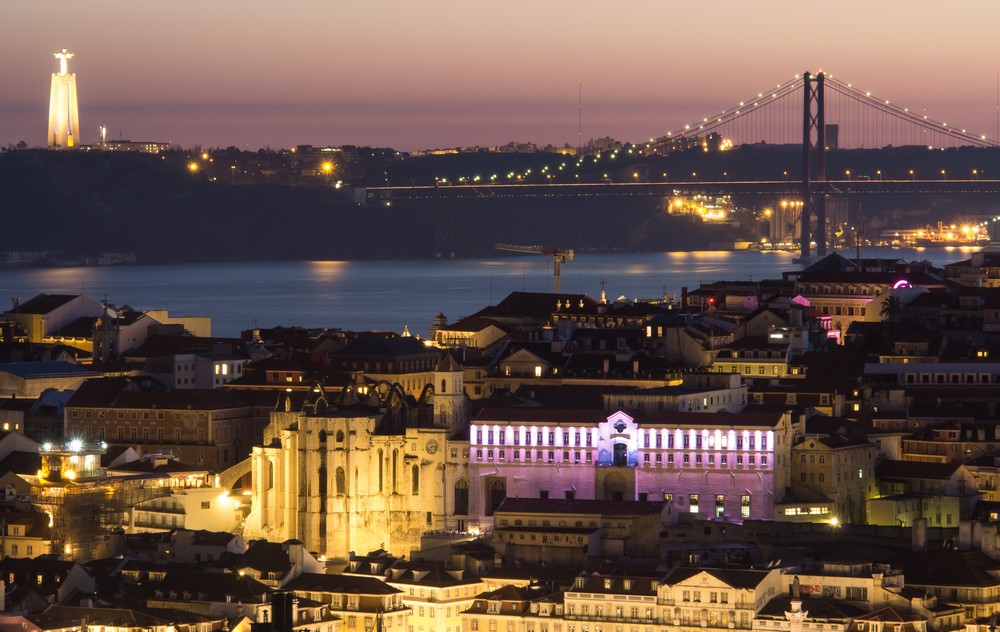
The earthquake was so strong that it was felt as far away as Morocco and the Azores. The shockwaves caused buildings to collapse, including many of Lisbon’s famous landmarks, such as the Carmo Convent and the Royal Palace.

The aftermath of the disaster was chaotic, with survivors struggling to find food and shelter. The Portuguese royal family and many wealthy citizens fled the city, leaving behind the poor to fend for themselves. The fires that erupted in the aftermath of the earthquake worsened the situation, destroying what remained of the city’s buildings and forcing people to live in makeshift shelters.

The Great Lisbon Earthquake profoundly impacted Portugal and the rest of Europe. It led to a reassessment of the city’s urban planning and the rebuilding of Lisbon in a more orderly and organized manner. The earthquake also profoundly impacted the Portuguese economy, as the destruction of the city’s commercial district and port made it difficult for merchants to do business.

However, despite the destruction and loss of life, the Great Lisbon earthquake also positively impacted the city. It led to the creation of new public spaces, such as the Praça do Comércio, and the rebuilding of many buildings in a more modern style, incorporating elements of Baroque and Rococo architecture.

Other earthquakes in Lisbon.

The 1755 earthquake was not the only significant earthquake to hit Lisbon in the following centuries. In 1858, an earthquake struck the city, causing significant damage and killing several people. In 1969, another earthquake struck Lisbon, causing significant damage to buildings and killing several people.

Despite the destruction caused by earthquakes, Lisbon has continued to rebuild and recover from each disaster. The city has implemented strict building codes and earthquake-resistant construction techniques to prevent damage and loss of life in the event of future earthquakes. The city has also developed an early warning system and evacuation plan to ensure the safety of its residents in the event of a future earthquake.

Despite the challenges posed by earthquakes, Lisbon continues to thrive as a city. Its rich history and cultural heritage, combined with its stunning architecture and vibrant cultural scene, make it a popular tourist destination for people from all over the world.

Safe and secure airport transfer in Lisbon!

Are you looking for a taxi-service in Lisbon with set prices? Are you worried about drivers making you pay to much, adding extra-fees to the service, and even driving long ways, in order to make more money on the ride?

You are not alone, Lisa also worries. Get to know Lisa in the little short-movie beneath (1 minute).

If you are convinced, just like Lisa, read more about our airport transfer services in Lisbon and the prices for the service here.

The perfect way to arrive in Lisbon

What would be the most time-saving and a perfect way to arrive in Lisbon? Having a driver to meet you at the airport must be one of the most important things when describing a perfect arrival.

When you come to Lisbon for the first time, you might be both nervous and excited. The first thing you worry about is your luggage. Has it arrived, or did the flight company manage to send it somewhere else? Is your luggage in one piece?

Perfect way to arrive Lisbon

When you have arrived, your luggage has arrived (hopefully in one piece), you want to leave the airport as soon as possible and get to the city center. But, how is that done? Maybe you have read about the metro system, or about the taxi drivers taking long roads and making you pay too much money? It is easy to worry before you grab a cab at the airport, and if you decide to use the public transportation system, you might worry about pick-pockets and all the luggage you carry around. So, what is the perfect way to arrive in Lisbon?

Let our driver take you to your Lisbon hotel for a set price

The topic says it all! Let us arrange with a driver to pick you up at Lisbon Airport. For a fixed price (which you know beforehand) our driver will wait for you in the arrival hall with a sign with your name on. Once you have met your driver, you walk directly to the car, and a few minutes later you are on the fastest possible way towards your hotel in Lisbon. Doesn’t that sound convenient?

There are no worries if you decide to use our services, and not only is it convenient, it is also cheaper than most other similar taxi services in Lisbon. Check out more about our airport transfers in Lisbon and book your transfer right away.

What to do when it is too hot in Lisbon?

It can get extremely hot in Lisbon in the summer, and on such days, you just want to find shadow and get a cold drink. But, what else should one do on such a hot summer day in Lisbon?

There are quite a lot of programs suitable for people in Lisbon, even on the warmest summer day. In this article, we will try to write about such programs, which for sure will help you out during the warmest hours of the day. To get to the different places you can use public transportation, but you will most likely have to get some sun on your body as you enter buildings. Some sun will not harm anyone, as long as shadow and air condition is just around the corner.

Popular Lisbon programs on a warm summer day

Go shopping

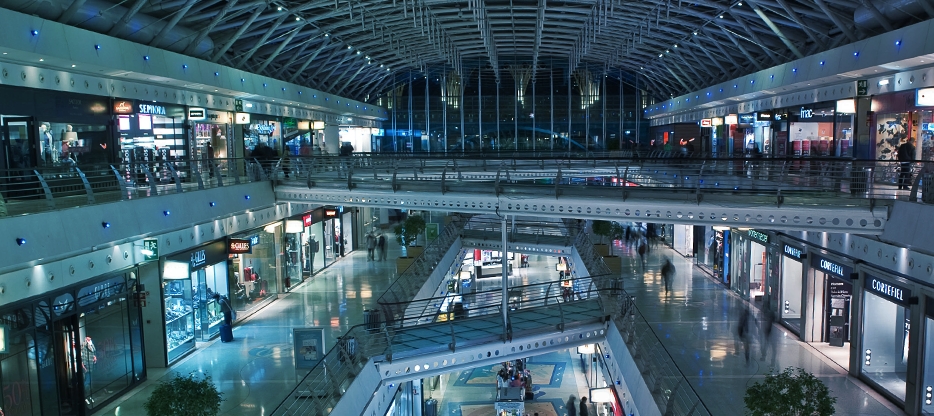
On a warm summer day, it can feel refreshing (even for men) to visit a shopping mall. At the metro station Oriente you will, for example, find the Vasco da Gama shopping mall, a fresh haven for everyone when the temperatures are at the highest. There are even restaurants in the mall where you can sit down and sip some cold refreshments or grab a bite of food.

Shopping LIsbon

You could of course walk in Rua Augusta, the main shopping street of Lisbon as well. That is however not the most pleasant experience in the middle of the day when it’s crowded and its very warm.

Visit the oceanarium

Lisbon has a magnificent oceanarium, and it is located just next to the Vasco da Gama shopping mall by the Oriente metro station. You can read more about the aquarium here in our Lisbon Guide, but we promise you that this is a relaxing place and a perfect place to visit for both young and old.

Find a restaurant with air condition

During the warmest hours of the day in Lisbon, why not find a restaurant with air condition and sit down for 2-3 hours. Eat yourself through the menu, taste some local drinks and have a very relaxed lunch. You do not have to feel bad about eating for so much time, after all you are actually discovering Lisbon and its kitchen culture, so a perfect program.

Visit Sintra

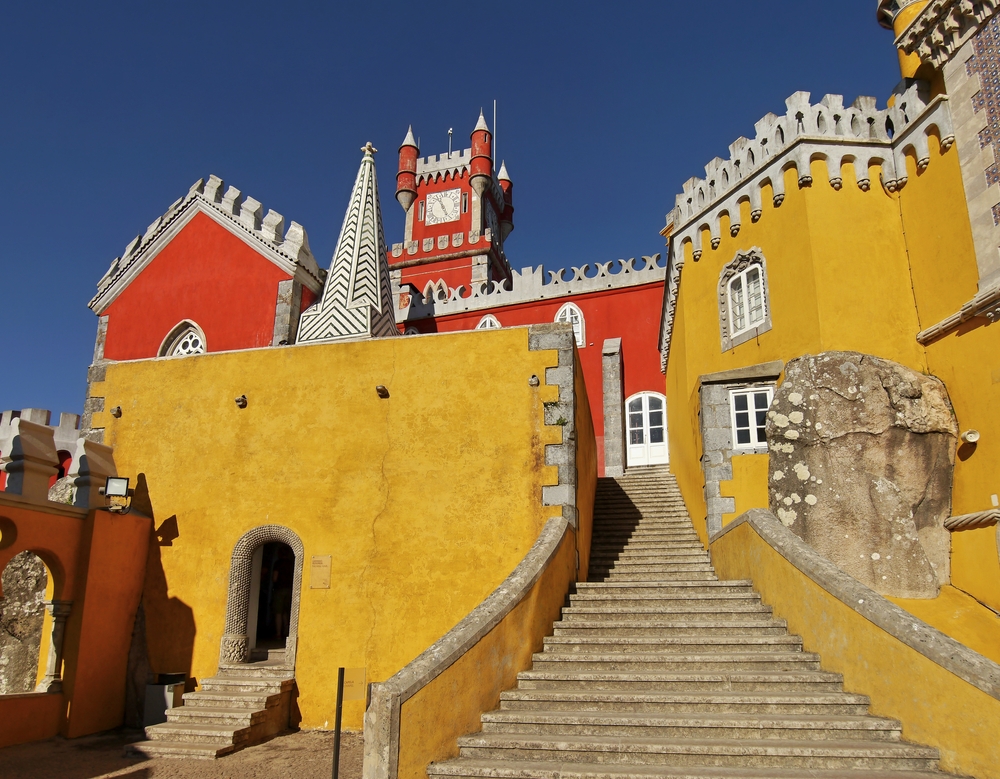
Sintra is well known for its beauty, and it might be the most popular destination to visit outside Lisbon. The city is on the World Heritage list, and here you can walk around historical buildings in the city center. You should also climb the hilltops to visit a Moor castle, a Monserrate Estate and of course the Pena National Palace.

Sintra is known to be a city that feels cooler than Lisbon, so even on the warmest day, Sintra feels fresher and better than Lisbon.

Vist Sintra
The beautiful city of Sintra – By Petr Podrouzek / Shutterstock

To get to Sintra you can, for example, use a train leaving from the Entrecampos or the Sete Rios station in Lisbon. Both these railway stations have their own metro stations, meaning that you can easily get to them no matter where you live in Lisbon.

Visit a beach

If you want to relax on a beach, then there are plenty of options while in Lisbon. Lots of people travel to Estoril or Cascais for this purpose, and two of the most famous beaches are Praia de Carcavelos and Praia Sao Pedro. You can easily to get these places using the railway system in Portugal. Be aware of the fact that these beaches can get quite crowded during the summer, but it is well worth the trip.

Expo 98

In 1998 Lisbon hosted a so-called Lisbon World Exposition, and for that reason, a giant area was used and created. On the last day of the event, more than 300,000 people visited the area. Since then the area has been transformed. Today is called the Nations Park (Parque das Nações). This area is located by the Oriente stop, and what is now today the Oceanarium and the Vasca da Gama shopping mall was once created for the purpose of the World Expo in 1998. In addition, you can find in the area an International Exhibition Fair, the MEO Arena (the most popular concert venue in town), a science museum named (Knowledge Pavilion) and a big casino.

Go to the Zoo

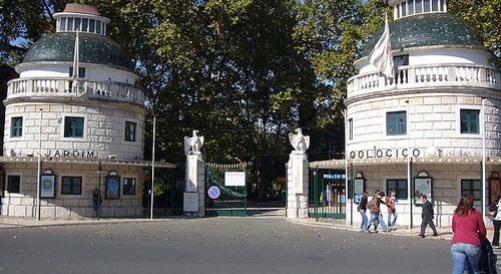
Even if the sun is shining, you might find a visit to the Zoo refreshing. You will find more locations with shadow in the zoo, and in this peaceful environment, you can see beautiful dolphin shows, sea lions, pelicans and many other animals.  You can read more about Lisbon Zoo right here.

Zoo of Lisbon
Visit the Zoo

Get straight to your hotel from the airport

If you arrive to Lisbon on a warm summer day, it can be a nightmare to get to your hotel using public transportation. Why not have a private taxi waiting for you in the arrival hall, which will take you straight to your air-conditioned hotel? Read more about such a service right here.

Are you ready for a warm summer day in Lisbon?

These were some advises from us to you, hoping that you will enjoy Lisbon, even though the temperatures are high. If you have further advises or maybe a question, use the comment field beneath.

Need a private airport transfer in Lisbon with set prices? We can help!

One of the services we have been longing the most to offer at our website has been private airport transfers. We have received Facebook messages from visitors looking for such services, but finally we can tell them that we can help them with that ourselves.

Earlier today we launched our private airport transfers in Lisbon website. There you can see prices and order your airport transfer in Lisbon right away. That is a very convenient and safe way to get from the airport to your Lisbon hotel, and we can warmly recommend it to anyone arriving.

As you might know, there are lots of strange taxis in Lisbon, and for that reason there are different prices people pay for the taxis at Lisbon Airport. Why worry about such, when you can book a transfer with a set rate instead?

Lisbon transfer

Would you like to give it a try? You can read more about the private Lisbon airport transfers right here, and you can also place your booking there right away.

One more thing that was launched today was the Rome private airport transfer service at well. You can read more about this service at rometourist.net.

Hotels with free Wi-Fi near Rua Augusta in Lisbon

Are you looking for a central hotel in Lisbon near Rua Augusta (or in Rua Augusta) with a free Wi-Fi connection available? Here are our suggestions!

The best when you come to do sightseeing in a city is to live in the heart of the city. That is why you might want to find and book a hotel near Rua Augusta when you come to Lisbon. This is the street that for many is considered the heart of the city, binding together the popular old town with the popular shopping streets, and here you can also find beautiful attractions and easily walk towards the Tagus river. Could it become any better than that?

Here we will give you a list of some very nice hotels in the vicinity of Rua Augusta with free Wi-Fi. They will thus be a perfect hub for those on a business trip to Lisbon, but also for those simply visiting the city to relax and for leisure for a few days. If you have further comments, experiences or suggestions, please use the comment field beneath.

  • Be aware of the fact that it is important to be careful as you use open Wi-Fi networks around the world, especially when they are without password protection. You can read more about that in the IP Address Guide.

free-wifi-near-rua-augusta-in-lisbon
Do not forget to book a hotel with free Wi-Fi as you visit the beautiful city of Lisbon – Photo by: cmccg / Shutterstock

Hotel with free Wi-Fi near Rua Augusta in Lisbon

Hotel Avenida Palace

If you want to combine luxury and free Wi-Fi, then this is just the best of the best in central Lisbon. This hotel has five stars, it has free Wi-Fi. The hotel is located about 4 minutes walk from Rua Augusta, but this walk is done in a beautiful environment so you will not regret that walk.

Pousada de Lisboa

Would you like to live in a hotel that will give you a view towards the Tagus river, but if you turn around 180 degrees you will watch towards Rua Augusta instead? At Pousada de Lisboa you will be able to do both as it is located at the beautiful Commercial square (Praca do Comercio) in Lisbon. And since this article is about central hotels in Lisbon with free Wi-Fi that is of course true for this hotel as well!

central-hotel-with-free-wi-fi-in-lisbon

Hotel Santa Justa

Want to live in the middle of the shopping street, near the Santa Justa elevator and close to everything, even to the nearest metro station? Hotel Santa Justa might be just what you are looking for. This four star hotel has mostly everything you need, including free Wi-Fi connection available. The hotel is probably a bit cheaper than the five star hotels, but still not the cheapest.

Rossio Garden Hotel

Want to live central in the heart of Lisbon near Rua Augusta, but still not in the most expensive hotel? If that is you then you could consider the three star hotel Rossio Garden Hotel. It is about 5 minutes walking distance from Rua Augusta and the hotel has dedicated family rooms, airport transfer service and of course free Wi-Fi.

Holiday Inn Express Lisboa – Av. Liberdade

We have already listed four hotels in this list presenting hotels with free Wi-Fi in the center of Lisbon, but why not write about one more? This is yet another three star hotel which is in a nice walking distance from Rua Augusta. As you discover from the name it is very close to the Avenida da Liberdade in Lisbon, one of the most important commercial streets in town. It is full of shopping opportunities, and at the same time it leads you to the city center. In this three star hotel you will of course get free Wi-Fi and several other nice services.

Have you found this list presenting central hotels in Lisbon with free Wi-Fi useful? We hope you have. As you do your booking we still recommend that you check the free Wi-Fi option. Hopefully the hotels have not changed their policies, but you better stay on the safe side and check it out, just to be sure!